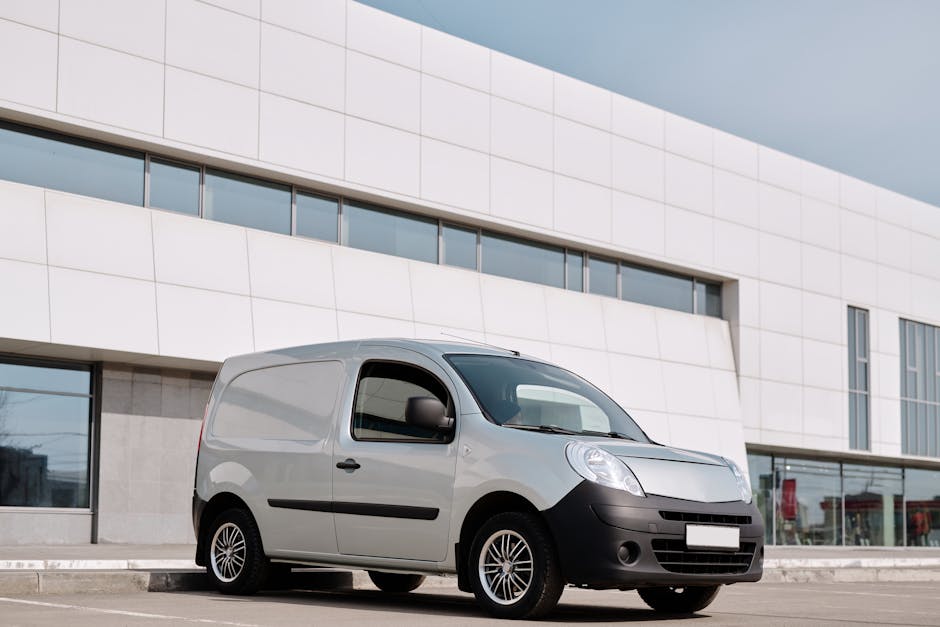
Heston High Street Moves: Small Van Tips for Tight Roads
Posted on 27/04/2026
Moving through Heston High Street can feel straightforward on a map and completely different on the ground. Tight turns, parked cars, narrow gaps, awkward corners, and busy foot traffic all change the way a move needs to be planned. That is exactly where small van tips for tight roads matter most. With the right approach, you can keep the job safer, faster, and far less stressful.
This guide brings together practical advice for anyone planning a local move, a flat clearance, a student move, or a furniture collection in a restricted street. It also helps you decide when a small van is the smart choice, how to load it well, and what to avoid when access is limited. If you are comparing service options, you may also find it useful to review man with a van support in Heston and the wider services overview before you book.
Truth be told, tight roads punish rushed decisions. A few extra minutes of planning can save dents, delays, and the kind of awkward reverse manoeuvre nobody enjoys.

Why Heston High Street Moves: Small Van Tips for Tight Roads Matters
Heston High Street and the roads feeding into it are the kind of places where moving logistics become very real, very quickly. A larger vehicle may be perfectly capable on paper, but if the street is narrow, cars are parked tightly, or access is shared with busy pedestrians, a van that is too large becomes a liability rather than a solution.
For local moves, the main issue is not distance. It is access. Can the vehicle turn safely? Can it stop without blocking the road? Can the team load and unload without carrying furniture too far? Can the driver keep enough room to manoeuvre if another car appears? These questions matter more than people expect, especially when time slots are tight.
Small vans help reduce friction in these situations. They are easier to place, easier to park, and often quicker to reposition. That does not mean the move becomes effortless. It means the margin for error improves. When you are dealing with delicate furniture, stairs, or a busy residential street, that margin is valuable.
There is also a customer-experience angle. A move that starts with a van stuck awkwardly in the road can set the tone for the whole day. A better-sized vehicle and a smarter loading plan make the process calmer for everyone involved. If the move involves awkward items, it is worth reading more on keeping doors safe during a move and reducing packing stress before moving day.
How Heston High Street Moves: Small Van Tips for Tight Roads Works
The basic idea is simple: choose a vehicle that can access the street comfortably, plan the load so fewer trips are needed, and sequence the move to minimise disruption. The details are where the difference is made.
1. Start with access, not capacity
People often begin by asking how much the van can hold. On tight roads, the better question is whether the vehicle can actually get where it needs to go without creating problems. A small van may carry less volume than a long wheelbase model, but it may still be the better operational choice because it reaches the property more cleanly.
2. Match the van size to the route
Routes around Heston High Street can include parked vehicles, narrow side roads, speed control features, and corners that are harder to take with a longer body. A compact or medium van may be easier to control, especially where there is little space to swing out. If you need help choosing the right vehicle style, the removal van option in Heston is a useful starting point.
3. Plan loading around walking distance
Every extra metre matters when you are carrying a sofa, washer, or stack of boxes. If the van cannot stop right outside the property, the team should know the best place to park and the safest route to and from the entrance. That route should be checked for steps, kerbs, tight gates, and anything slippery.
4. Load in a way that supports the road reality
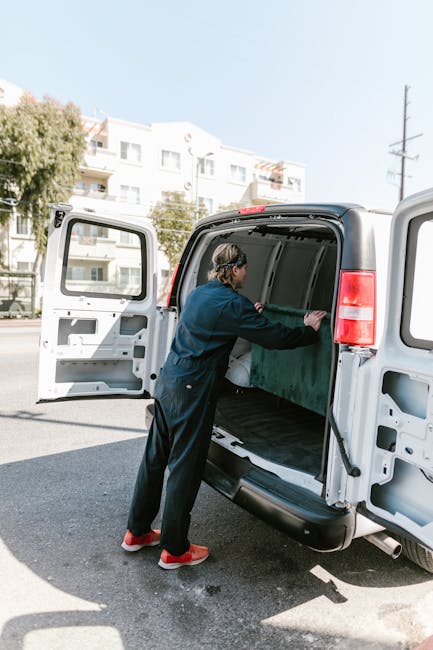
A tight street move is not just a driving problem. It is a loading problem too. If the van may need to be repositioned or moved away quickly, you want the load balanced, secure, and easy to access. The best moves are the ones where the team does not have to reshuffle everything halfway through.
5. Protect the space around you
Tight roads can make accidental contact more likely. Good movers protect door frames, use blankets, and keep a close eye on blind spots. For fragile furniture or larger household pieces, it helps to read practical advice such as moving a bed and mattress properly and protecting sofas during storage and transit.
Key Benefits and Practical Advantages
When a small van is used well, the benefits go far beyond convenience.
- Better manoeuvrability: Smaller vehicles are easier to guide around parked cars and sharp turns.
- Less road obstruction: A van that fits the space reduces disruption to neighbours and passing traffic.
- Lower loading stress: Shorter positioning distances can reduce heavy carrying.
- Improved timing: Fewer failed parking attempts and smoother access can keep the move on schedule.
- Reduced damage risk: Less awkward reversing and fewer tight turns can mean fewer knocks and scrapes.
- More realistic planning: A small van encourages a sensible load plan rather than optimistic overpacking.
One practical advantage is that small van moves often feel more controlled. There is less temptation to treat the street like a storage yard and more focus on doing each stage cleanly. That usually improves both safety and customer satisfaction.
If your move is part of a larger house transition, the advice in this house-moving guide and this decluttering guide can help you reduce the load before the van arrives.
Who This Is For and When It Makes Sense
Small vans are not a one-size-fits-all answer, but they are often the best fit for specific move types.
- Flat moves: Particularly useful where streets are narrow and parking is limited.
- Student moves: Ideal for lighter loads, boxes, and bedroom furniture.
- Single-item collections: Great for sofas, desks, appliances, or marketplace pickups.
- Partial house moves: Useful when only part of a home is being relocated.
- Office equipment transfers: Good when the job involves compact but valuable items.
- Same-day jobs: Helpful when the move needs a quick, adaptable vehicle solution.
It makes sense when the priority is access rather than maximum volume. If the street is awkward, the property is close to the road, or unloading space is limited, a smaller van can outperform a bigger one simply because it can operate more easily.
For people moving between smaller homes or upper-floor flats, flat removals in Heston and student removals in Heston are worth considering because they align well with the realities of limited access.
Step-by-Step Guidance
Step 1: Survey the street before moving day
Do not rely on memory alone. Visit the location, ideally at the same time of day you expect to move. Look for parked cars, school traffic, delivery patterns, and pinch points. Notice whether the road narrows near junctions or bends, because that affects turning space.
Step 2: Measure the largest items
Measure sofas, wardrobes, mattresses, desks, and anything with awkward dimensions. Then think about how those items will enter the van. Sometimes the item fits the van but only at a difficult angle. That is where a small van can still work, provided the loading plan is realistic.
Step 3: Decide whether the move is one-trip or multi-trip
If the load is modest, a small van can often complete the job in one journey. If not, do the maths honestly. Multiple trips may be fine if the property access is easy, but they can become expensive if the road is busy or parking is scarce.
Step 4: Reserve the best possible parking point
Even a small van needs a safe place to stop. Aim for a space that leaves enough room for doors to open, people to pass, and items to be loaded without blocking driveways or crossings. Be considerate here; it helps with neighbour relations and reduces conflict.
Step 5: Pack and label by unload order
Use clear labelling so the first items off the van are the ones needed first. This avoids opening the load too often in a tight road, which can be awkward and unsafe. If you are looking for stronger packing technique, see packing support for house moves and creative bed and mattress moving ideas.
Step 6: Use clear direction and a spotter where needed
On constrained roads, one person should guide reversing or tight positioning if visibility is limited. This is not overcautious; it is basic good practice. Even a short misjudgement can become expensive if mirrors, walls, or body panels get involved.
Step 7: Keep the loading process efficient
Once loading begins, keep the route clear. Avoid stacking items in a way that blocks what still needs to come out. In practical terms, that means heavier items go in first, with lighter items and essentials placed for easier access.
Expert Tips for Better Results
A few details make a disproportionate difference on tight roads.
- Choose off-peak timing if possible: Midday can be calmer than school run or commute windows.
- Use soft protective materials: Blankets, wrap, and corner protection are worth the space they use.
- Keep the load low and stable: Stability matters more in stop-start streets than in long motorway runs.
- Pre-stage items near the exit: If the property allows it, move boxes and furniture close to the door before the van arrives.
- Bundle small items smartly: Loose items slow everything down. Use bags or cartons that can be handled in one go.
- Leave room for contingencies: A van that is packed to the roof can be harder to work with if the road access changes suddenly.
For heavier pieces, do not guess your way through it. Good technique, the right posture, and the correct use of equipment matter. The following guides are helpful for that part of the job: solo lifting strategies for heavy item transport and why professional piano relocation is safer.
Expert summary: On tight roads, the winning move is usually not the biggest van or the fastest load. It is the van that fits cleanly, the route that has been checked properly, and the team that knows when to slow down.
Common Mistakes to Avoid
Most problems on narrow streets are predictable. That is the frustrating part, but also the useful part, because predictable mistakes are preventable.
- Choosing a van that is too large: Capacity means little if the vehicle cannot access the property safely.
- Ignoring local parking conditions: A clear space on a weekday may not exist when you need it.
- Forgetting door swing and turning room: A van may technically fit but still be awkward to unload from.
- Overpacking the vehicle: When everything is crammed in, unloading takes longer and damage risk rises.
- Failing to protect thresholds and doors: Tight spaces make scuffs and chips more likely.
- Not accounting for weather: Wet kerbs and slippery steps can slow down loading and increase risk.
- Assuming one person can manage everything: Sometimes that is fine; often it is not.
Another common mistake is treating road access as someone else's problem. In reality, access planning is part of the move. If you skip it, you usually pay for it later in time, stress, or damage.
Tools, Resources and Recommendations
You do not need a warehouse full of gear, but a few well-chosen tools make small van moves far smoother.
| Tool / Resource | Why It Helps | Best Use Case |
|---|---|---|
| Furniture blankets | Protects surfaces from knocks and rubbing | Sofas, tables, wardrobes, appliances |
| Ratchet straps | Keeps items stable during travel | Loads with mixed item sizes |
| Moving trolleys | Reduces manual carrying on longer walks | Flats, offices, and back entrances |
| Corner protectors | Limits damage to walls and furniture edges | Narrow hallways and tight loading points |
| Boxes with clear labels | Makes unloading more efficient | Room-by-room house or flat moves |
Good packaging also matters. A strong move starts before the van arrives, which is why packing smartly for moving house and using proper packing supplies in Heston are both sensible steps. If you need a wider service picture, the page on removal services in Heston explains how different support levels can fit different moves.
Law, Compliance, Standards, or Best Practice
For local moves, the main compliance issues are usually practical rather than complicated, but they still matter. Drivers should follow normal road safety requirements, observe parking restrictions, avoid blocking access routes, and load vehicles securely. If items protrude or the vehicle is overloaded, the risk is not just damage; it can also create a road safety issue.
If you are arranging a move near public pavements or shared access points, it is sensible to think about pedestrian safety, visibility, and access for neighbours. In many cases the best practice is simple: keep the route clear, use suitable equipment, and do not force a vehicle into a space it does not fit comfortably.
Insurance is another important area. Coverage and responsibilities can vary by provider, so it is sensible to confirm what is included before moving day. For additional reassurance, review the company's insurance and safety information, plus the relevant terms and conditions. If you are comparing providers, it is also worth checking pricing and quotes so you understand what is included.
Best practice is not about being overly cautious. It is about making sure the move is lawful, sensible, and defensible if something unexpected happens. That is especially important on a street where one poor parking decision can affect everyone else.
Options, Methods, or Comparison Table
Choosing the right approach depends on the access conditions and the load. Here is a practical comparison.
| Approach | Best For | Pros | Limitations |
|---|---|---|---|
| Small van | Tight roads, small homes, short local moves | Easier access, simpler parking, less road obstruction | Lower volume, may need better load planning |
| Medium van | Moderate loads with manageable access | More capacity, still fairly flexible | Can be harder to position in narrow streets |
| Large van | High-volume moves with clearer access | Fewer trips, more carrying capacity | Risky if streets are narrow or parking is restricted |
| Multiple smaller loads | Flexible local moves when time allows | Easy to adapt, lower vehicle strain | Can take longer and require extra handling |
For many Heston High Street situations, the small van sits in the sweet spot. It is not always the biggest-carrying option, but it is often the best-performing option once access is taken seriously. That distinction is easy to miss until you have experienced both.
Case Study or Real-World Example
Consider a realistic local scenario: a one-bedroom flat move from a side street off Heston High Street, with a sofa, bed frame, mattress, a fridge-freezer, and a dozen boxes. The property is on an upper floor, the road is narrow, and parking is limited.
A larger van might have offered more capacity, but it would likely have been awkward to park and harder to turn if another vehicle approached. A small van, by contrast, could position more cleanly, reduce the amount of road space occupied, and make short repeated runs between the door and vehicle more manageable.
The move would still require planning. The bed and mattress should be prepped properly, the sofa protected, and the fridge handled with care. For guidance on those items, useful reading includes how to store a freezer when it is not in use, how to protect a sofa over time, and safe freezer storage advice.
The result in a job like this is usually not glamourous. It is simply efficient. Fewer awkward manoeuvres, less stress, and a cleaner handover at the new property. That is exactly what good local moving should look like.
Practical Checklist
Use this checklist before a tight-road move on or around Heston High Street:
- Confirm the property access and road width in advance.
- Choose a van size that can park and turn safely.
- Check for loading restrictions and nearby parking options.
- Measure bulky furniture and awkward items.
- Pack boxes clearly and keep essentials separate.
- Protect floors, door frames, and furniture edges.
- Plan the walking route from door to van.
- Use straps, blankets, and trolleys where needed.
- Assign a person to guide reversing or tight manoeuvres.
- Keep the load balanced and easy to unload.
- Review insurance, terms, and service details before booking.
If you are still organising the move itself, the pages for house removals in Heston, furniture removals in Heston, and same-day removals in Heston may help you match the service to the job.
Conclusion
Heston High Street moves do not need to be difficult, but they do need to be planned with the street itself in mind. A small van is often the smartest choice for tight roads because it reduces access problems, makes parking easier, and improves the overall flow of the move. Add careful packing, sensible timing, and proper handling, and the day becomes much more manageable.
The key lesson is simple: do not treat access as an afterthought. Measure the space, choose the right vehicle, protect the load, and keep the route clear. That approach saves time and limits damage far better than trying to improvise on the day.
For more information about the team, moving support, and service options, you can also review the about us page and the wider removals in Heston service area.
Get a free quote today and see how much you can save.